

How to Compare Custom-Home Builder Proposals
By David K
8 min read
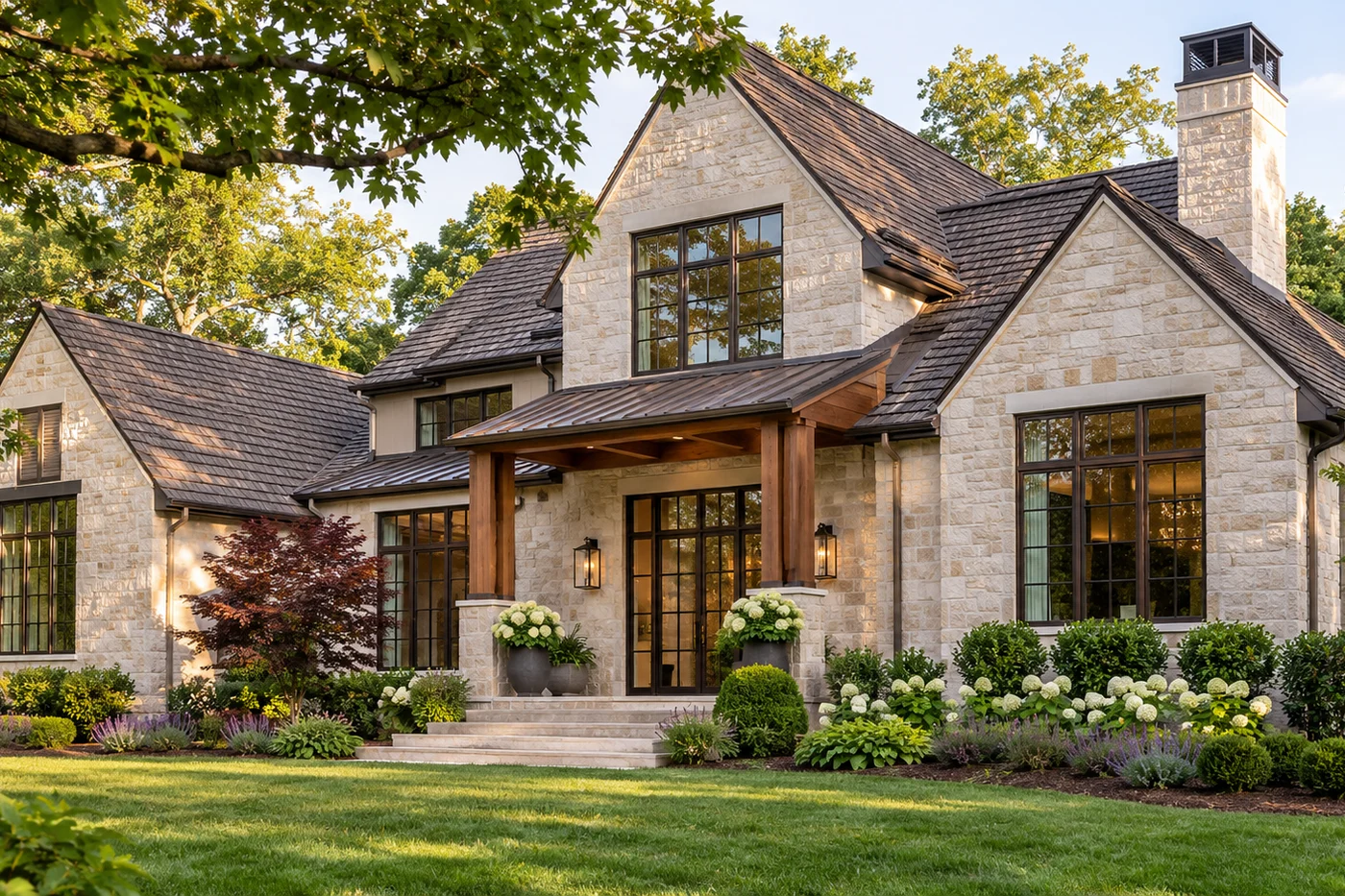
Do not compare custom-home proposals by total price alone. First confirm that every builder priced the same current drawings, specifications, site information, and owner requirements. Then build a side-by-side scope matrix for included work, allowances, contingencies, alternates, exclusions, owner-supplied items, fees, insurance, permits, site development, utilities, and closeout. Identify whether each price is fixed, cost-plus, or another method and how changes are calculated. Compare the payment schedule, construction schedule, preconstruction work, project management, quality-control process, documentation, and warranty terms separately. Resolve unclear or missing items in writing before selecting a proposal or signing a contract. A lower total may reflect a narrower scope or more unresolved allowances rather than the same home for less money.
Planning a new home? Explore Max Built's custom-home process, then view the craftsmanship in our project portfolio.
Put every proposal on the same pricing basis
A proposal comparison is only meaningful when the bidders are pricing the same home. Record the title, issue date, and revision of every drawing, specification, schedule, geotechnical report, survey, site plan, selection record, and written clarification used for pricing. If one builder received a later structural set or more complete finish information, the totals do not share the same basis.
The North Carolina Licensing Board advises homeowners to compare the cost, quantity, and quality of materials rather than only the bottom line. For a custom home, extend that principle to the complete document set. Ask each builder to list the documents used, assumptions made, and information still needed. A clear proposal should let the owner trace a significant line item back to an identified part of the intended work.
Do not ask builders to fill every unknown with a guess simply to make totals look complete. Label uncertainty honestly. A specific allowance, alternate, unit price, or excluded item is more useful than a buried assumption because the owner can see what remains open and compare how every proposal treats it.
- Which dated drawings and specifications were priced?
- Were the same selections and performance requirements issued to every builder?
- Which site reports and utility information were available?
- What assumptions replace information that is not yet complete?
Normalize inclusions, exclusions, and owner responsibilities
Create a comparison matrix organized by scope, not by each builder's unique cost-code order. Include preconstruction, permits, temporary facilities, site clearing, erosion control, earthwork, utilities, foundation, structure, enclosure, roofing, windows, doors, interiors, cabinetry, appliances, mechanical systems, electrical work, low voltage, exterior improvements, landscape restoration, testing, cleanup, closeout, and warranty service. The goal is not to prescribe one correct list; it is to expose where proposals draw different boundaries.
Site work deserves its own review because the house price may not explain clearing, unsuitable soil, rock, retaining walls, utility extensions, septic or well work, stormwater measures, hauling, landscaping, or restoration. Mark each item as included, allowed, unit-priced, excluded, owner-provided, or pending investigation. If a condition cannot be priced reliably yet, identify the information or field work needed to reduce that uncertainty.
Also compare services that do not appear as finished materials. Ask who coordinates design questions, submittals, selections, procurement, site meetings, schedule updates, cost reporting, inspections, testing, punch work, and closeout records. A proposal that includes a different management scope should not be treated as identical simply because both builders describe the same rooms.
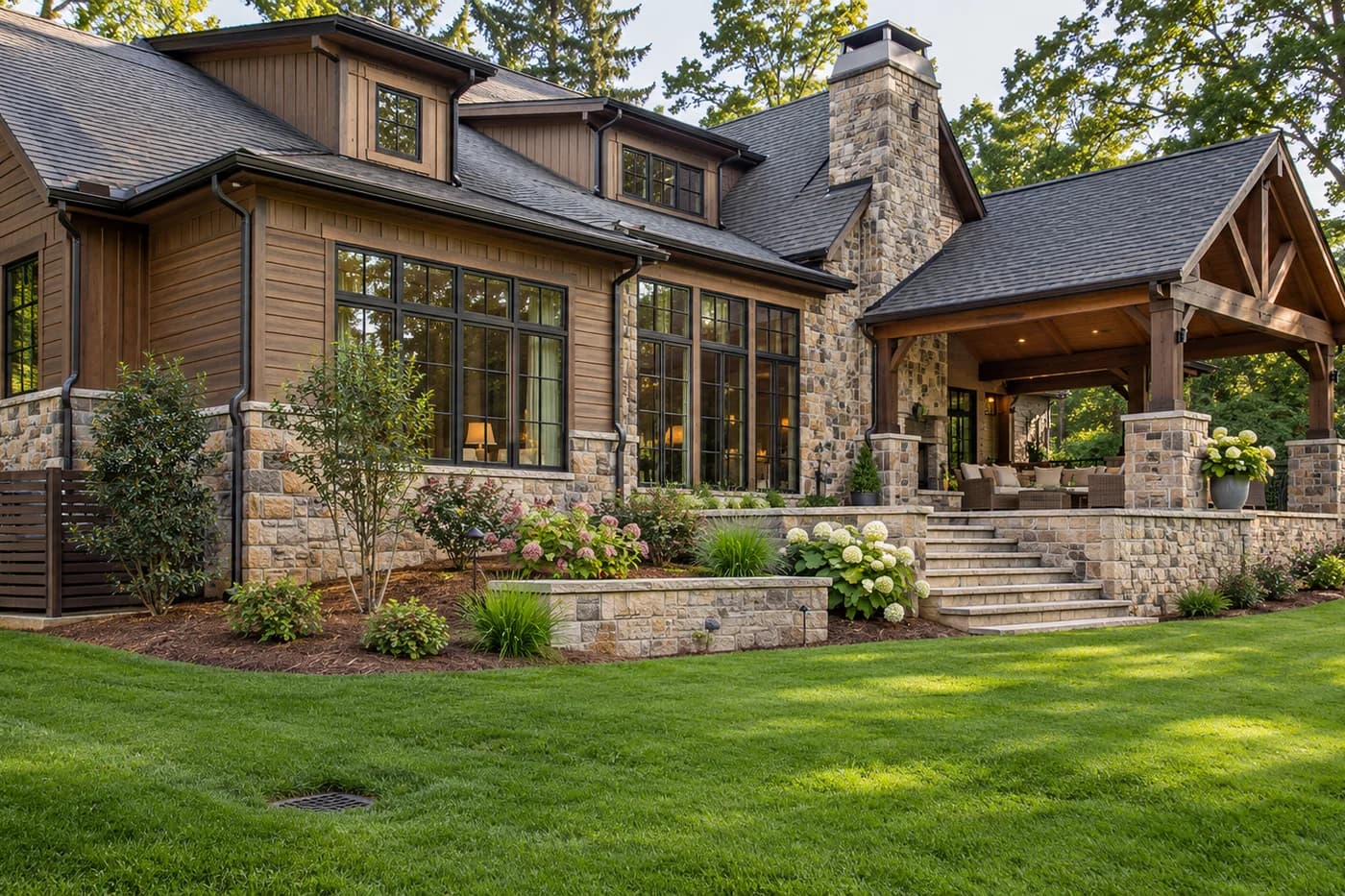
Test every allowance, contingency, and alternate
An allowance is not the same as a completed selection. AIA Contract Documents describes an allowance as an amount carried for a known item whose exact cost has not yet been determined, while a contingency addresses unexpected costs that may or may not occur. The actual contract governs how either category works, so compare the definitions and adjustment rules rather than assuming every builder uses the words identically.
For each allowance, record the item, quantity or area, quality basis, amount, tax and delivery treatment, labor and installation treatment, builder fee or markup, selection deadline, and change process. A larger allowance is not automatically better if it covers more products, and a smaller one is not necessarily more efficient if the likely selection cannot fit within it. Ask what product, sample, or recent selection was used to establish the amount without treating that example as a guarantee of future price.
Review contingencies and alternates separately. Identify who controls a contingency, which costs may be charged to it, what documentation is required, and what happens to unused funds. An alternate should state the exact scope added or removed and any effect on other systems. Do not subtract an alternate from one proposal unless the comparable scope is also removed from every other proposal.
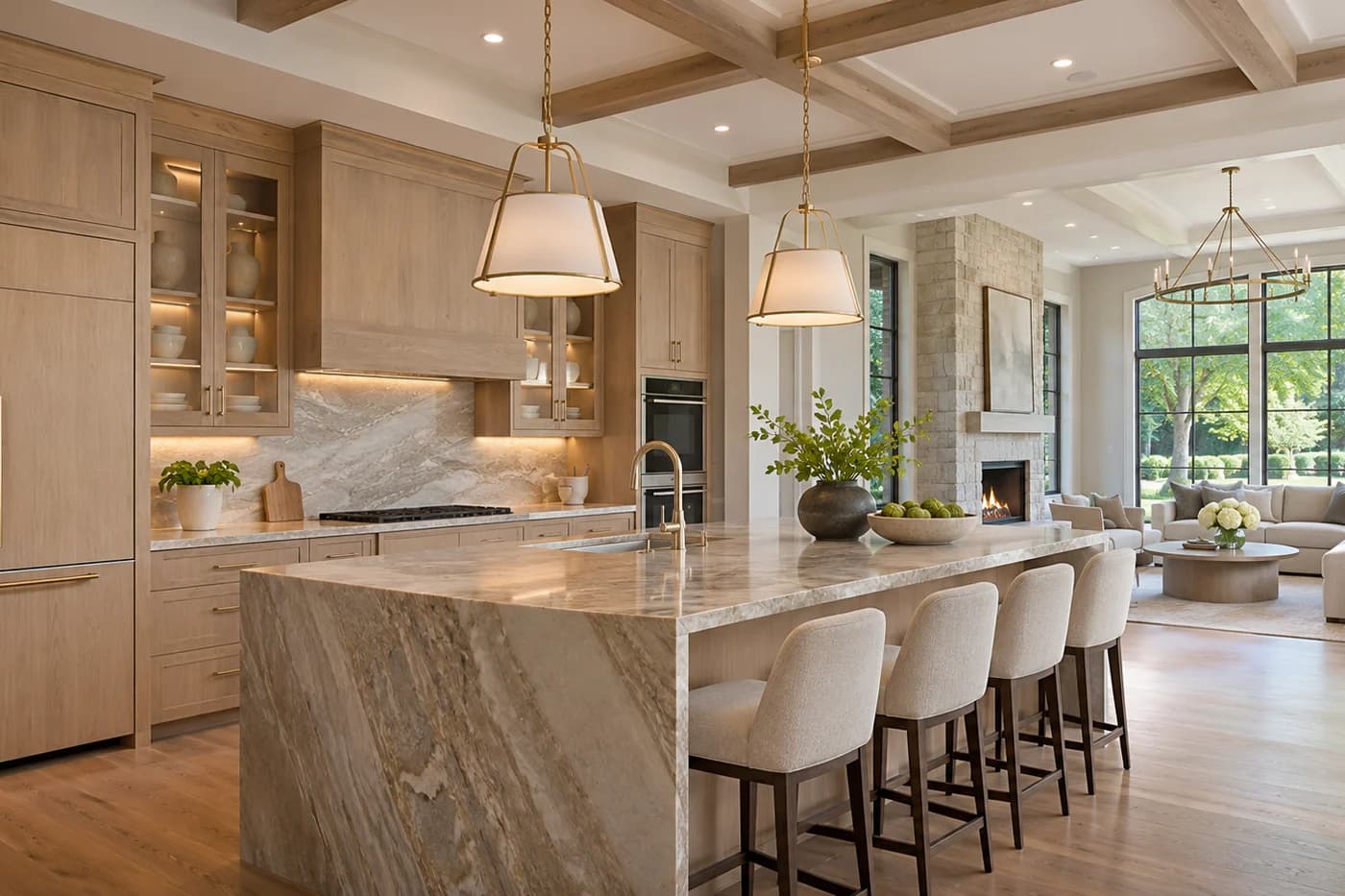
Understand how the price will change during construction
Identify the pricing method before comparing totals. A fixed or stipulated sum, cost of the work plus a fee, guaranteed maximum price, and other arrangements allocate cost information and risk differently. AIA guidance notes that when an agreement is not fixed price, it should clearly explain how the contract sum is determined. The lowest opening number is not a useful comparison if the proposals use different pricing structures or define reimbursable costs differently.
For cost-based work, ask which costs are reimbursable, how the fee is calculated, whether the fee applies to allowances and changes, what records the owner receives, how estimates are updated, and whether there is a maximum price or savings provision. For a fixed price, identify allowances, unit prices, escalation provisions, assumptions, exclusions, and events that permit adjustment. Review taxes, insurance, bonds when applicable, permits, design services, overhead, supervision, and fee so the same categories are not hidden in one proposal and itemized in another.
Compare the change process before construction begins. The proposal or draft contract should explain how changed scope is described, priced, approved, scheduled, and recorded. Ask whether credits use the same fee rules as additions and how work proceeds when the parties have not agreed on price or time. Contract language and North Carolina legal advice should control project-specific rights; a comparison worksheet cannot replace review of the actual agreement.
Compare the delivery plan, then resolve gaps in writing
Price is one part of the decision. Compare the proposed start conditions, major milestones, owner-decision schedule, procurement approach, expected update rhythm, staffing, site supervision, communication process, payment procedure, quality-control reviews, testing, closeout, and warranty administration. NAHB advises buyers to ask about written estimates, contracts, payment schedules, experience, completed and in-progress work, references, and warranty service. Verify those matters directly rather than accepting broad marketing language as proof.
Use clarification questions consistently. Send each builder the same unresolved scope questions and record the written responses with the proposal. If a response changes the price or schedule, request a revised proposal or addendum rather than relying on an email that never reaches the contract documents. Keep the original proposal, all clarifications, and the final version so the basis of the decision remains visible.
Before selecting a builder, separate the proposal comparison from contract review. The comparison should show whether the proposals cover the same intended home and what remains uncertain. The final agreement should then identify the controlling documents, contract sum or pricing method, payment process, time provisions, changes, insurance, responsibilities, dispute terms, warranties, and closeout requirements. Max Built can help Charlotte-area homeowners establish a clear scope and preconstruction path for a new custom home; qualified legal, design, engineering, lending, and insurance professionals should review the parts within their responsibility.
- Reconcile every material scope difference
- Confirm how allowances and contingencies adjust
- Compare management and documentation services
- Verify references, licensing, insurance, and warranty information
- Issue final clarifications in writing
- Review the complete contract before authorizing work
Sources and editorial notes
AIA Contract Documents explanation of construction allowances and contingencies
AIA Contract Documents overview of contract sums, allowances, financing, and payment methods
Prepared with AI assistance and editorially reviewed by Sage. Architectural images are illustrative, not documented Max Built projects. This organizational guide does not replace project-specific professional advice.
Custom-home proposal comparison questions
Should I choose the lowest custom-home proposal?
Not until you confirm that it covers the same drawings, specifications, site work, materials, services, allowances, exclusions, schedule, and pricing method. A lower total may represent a different scope or more unresolved cost rather than better value.
How can I compare proposals that use different formats?
Build one owner-side scope matrix and map every proposal into it. Mark each item as included, allowed, unit-priced, excluded, owner-provided, or unresolved, then send the same clarification questions to every builder.
What should an allowance show?
It should identify the item, amount, quantity or quality basis, what costs are included, what is priced elsewhere, the selection deadline, and how the contract sum changes when the actual cost is known. The signed contract controls the exact treatment.
How should site work be compared?
Separate clearing, grading, soil conditions, rock, retaining walls, drainage, utilities, septic or well work, hauling, temporary access, erosion control, landscaping, and restoration. Identify which conditions are known and which need further investigation.
Can I compare a fixed-price proposal with a cost-plus proposal?
Yes, but not by total alone. Compare how each method defines cost, fee, allowances, contingencies, documentation, adjustments, audit rights, savings, and maximum-price provisions, then review the actual agreement with qualified advisers.
What should I verify about the builder besides price?
Verify current licensing where required, insurance information, references, completed and in-progress work, project staffing, communication and reporting, schedule management, quality-control process, payment procedure, closeout records, and written warranty terms.
Build the right plan before construction begins
Tell us about your property, priorities, and the way you want to live. We'll help organize the next decisions around a clear, buildable path.