

Who Should Insure a Custom Home During Construction?
By David K
9 min read
Whoever the signed construction contract and the construction lender say should insure it. Either the homeowner or the builder can carry builder's risk insurance, which protects the house and materials while they are being built, but that policy is only one piece. A new custom home also needs the builder's liability and workers' compensation coverage, the owner's own liability coverage for the lot, flood coverage where the site calls for it, and a homeowners policy that takes over before anyone moves in. Settle who carries each one before site work begins, and have a licensed insurance professional review the actual policy wording.
Planning a new home? Explore Max Built's custom-home process, then view the craftsmanship in our project portfolio.
Start with the contract and the lender, not a policy quote
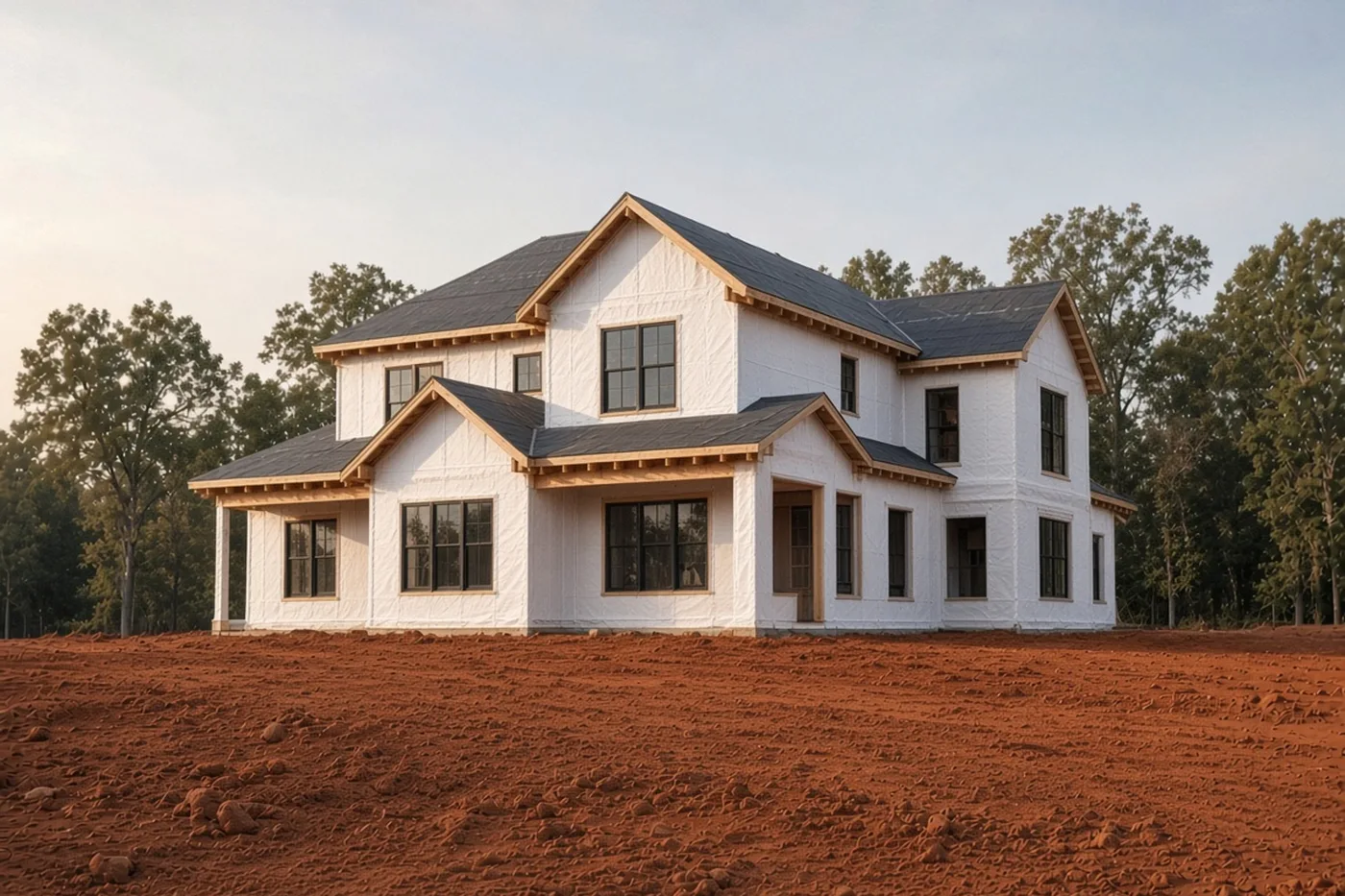
A house under construction is a different risk from a finished home. It is partly open, unoccupied, full of materials that have not been installed yet, and growing in value every week. Builder's risk insurance, sometimes called course-of-construction coverage, exists for that period. Both the owner and the builder have a financial stake in the work, so either one can buy it. The construction agreement decides who actually does.
Read that clause before comparing quotes. Some residential contracts make the builder responsible and include the premium in the price. Others ask the owner to buy the policy directly, especially when the owner holds the lot and the construction loan. Who buys the policy and who ultimately pays for it are separate questions, so confirm both. Our custom-home contract checklist covers where insurance sits among the other responsibilities the agreement should assign.
Then get the lender's written insurance requirements. A construction lender may require evidence of coverage before loan closing or the first draw, name its own interest on the policy, and set rules for deductibles and limits. When you compare builder proposals, check whether each one includes builder's risk or leaves it to you, because that difference can make two bottom lines look closer or farther apart than they really are.
Understand what builder's risk is designed to cover
Builder's risk is property insurance for the work itself: the structure as it goes up and the materials intended for it. The Insurance Information Institute explains that the policy is built around a value that rises as the project progresses. It is commonly written on the expected completed value, or on a reporting basis where the insured value is updated as the work advances. Ask which method your policy uses and make sure the limit reflects the full planned home, including later changes.
The causes of loss and the exclusions are where policies differ most. Fire, lightning, wind, theft, and vandalism are typical concerns on an open jobsite. Builder's risk forms are not standardized the way many homeowners forms are, so read the actual wording for flood, earth movement, water damage, mold, and the cost of correcting faulty workmanship or design, which policies commonly exclude even when they cover some resulting damage. A summary or a sales sheet is not the policy.
Also ask how the policy treats items that are not yet built in. Appliances, plumbing fixtures, lighting, flooring, and windows may sit on site, in a builder's storage space, or in transit for weeks. If you plan to buy any of those items yourself, confirm whether the policy covers owner-supplied materials, where they must be stored, and whether theft of unattached materials has its own limit or deductible.
Cover liability and the people working on site separately
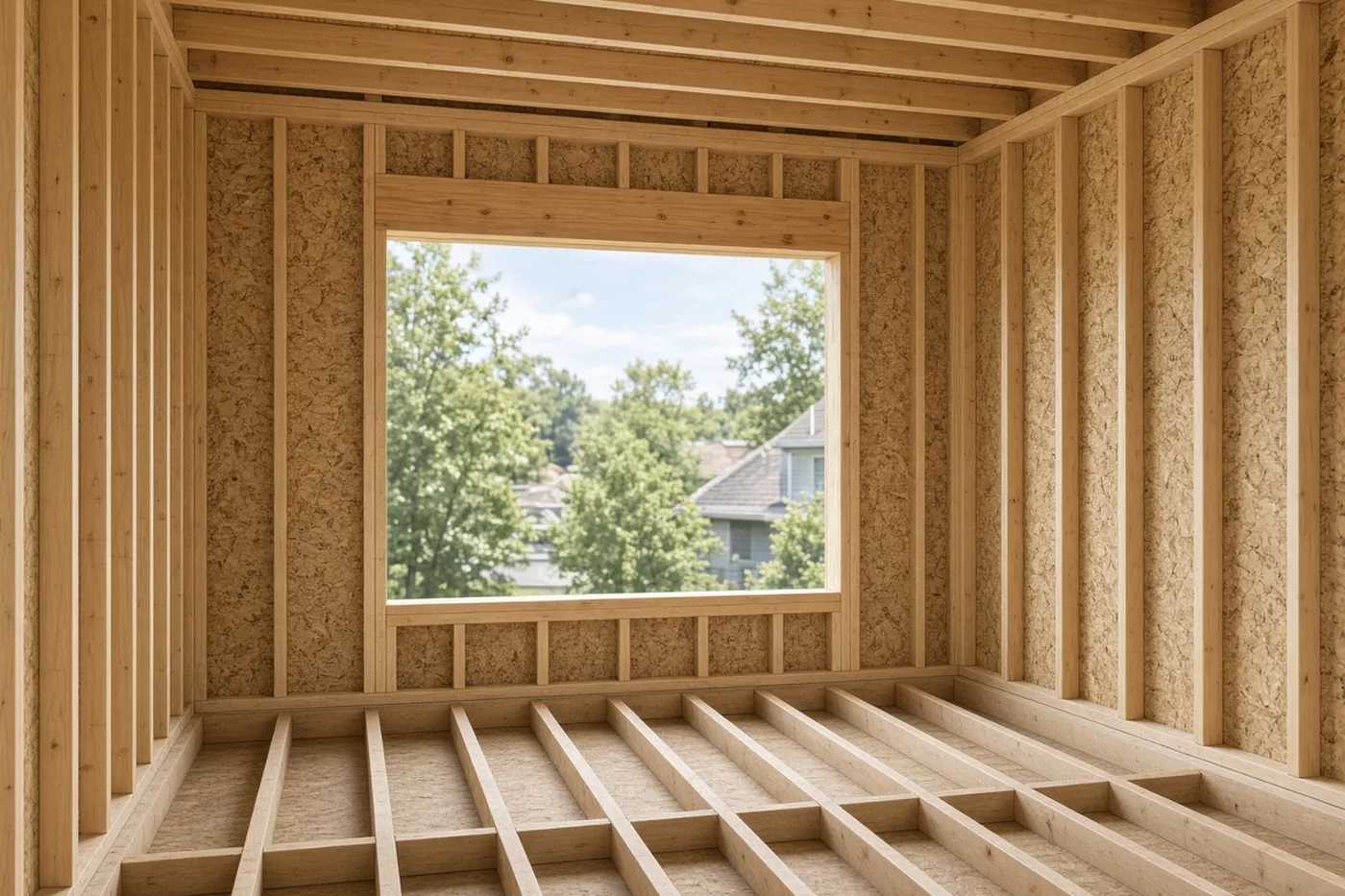
Builder's risk protects property. It does not answer the question of who pays if someone is hurt on the lot or a neighbor's property is damaged. That falls to liability insurance. The builder's commercial general liability policy addresses the builder's operations, and the contract may require the owner to be added as an additional insured. The owner should separately ask their own insurance professional how their liability for the lot is covered while it is a construction site, because a vacant lot or a house under construction may not fit an existing homeowners policy.
Workers' compensation is the other piece. The North Carolina Industrial Commission states that, in general, an employer with three or more employees must carry workers' compensation coverage or qualify as self-insured. North Carolina's statute on principal contractors, G.S. 97-19, can make a contractor who sublets work without first obtaining a subcontractor's certificate of coverage liable for that subcontractor's injured employees. A general contractor typically manages this for its own subcontractors. If you plan to hire any trade directly, outside the builder's contract, ask your attorney and insurance professional how those rules apply to you before that work starts.
Ask for current certificates of insurance, and read them for the named insured, policy dates, and limits. Keep in mind that a certificate is generally a summary for information. It does not change the policy, so the contract should state the coverage each party must carry, and the owner should ask questions when anything on the certificate does not match.
Check flood exposure for the actual lot
Flood is a common gap. Many builder's risk policies exclude it or limit it, and a homeowners policy does not cover flood either. The North Carolina Department of Insurance notes that homeowners policies do not protect against floods, earthquakes, mudslides, mudflows, or landslides. Start with the lot's flood-zone status on the survey and site plan, then ask whether flood coverage is needed during construction as well as after.
The National Flood Insurance Program can insure a building under construction, but with conditions spelled out in FEMA's Flood Insurance Manual. Materials and supplies are covered only when they are stored in a fully enclosed building on the premises or next to it. A building that is not yet walled and roofed loses eligibility if work stops for more than 90 days or if its lowest floor is below the base flood elevation, and FEMA states that the deductible doubles when a building under construction does not yet have at least two rigid exterior walls and a fully secured roof. Those limits matter when deciding how long materials sit uncovered on a low site.
Plan the handoff from construction coverage to the finished-home policy
Builder's risk is meant to end. Policies commonly end when construction is complete and the home is occupied or put to its intended use, when the owner's interest ends, or when the policy term expires. If the schedule slips past the policy term, the policy may need an extension, so watch the end date along with the construction schedule.
In North Carolina, a new home cannot be occupied until the inspection department issues a certificate of compliance, often called a certificate of occupancy, unless a temporary certificate of occupancy allows it for a stated period, under G.S. 160D-1116. That approval, final completion, and move-in may happen on different days, so line up the start of the finished-home policy with the end of construction coverage and leave no gap. The Department of Insurance notes that North Carolina law does not require homeowners insurance, but a mortgage lender may.
Choose the finished-home policy for how the house will be used. A homeowners policy is designed for a primary residence. The Department of Insurance describes dwelling policies as an option for vacant, seasonal, secondary, or rental homes, and notes that they typically do not include liability coverage. Set the dwelling coverage from a realistic replacement-cost estimate for the finished custom home rather than from the construction price alone, and add the home's handover documents, such as warranties and equipment records, to your insurance file.
Put every coverage decision on one responsibility list
Before lot clearing begins, write down who carries each coverage, what it must include, and when it starts and ends. Share the list with the builder, lender, and your insurance professional, and update it when the contract, schedule, or budget changes.
Max Built can help organize these coverage questions with the rest of the custom-home process before work starts. This article is not insurance, legal, or lending advice; a licensed insurance professional, the lender, and the owner's attorney should review the actual contract and policies. When you are ready to talk through a new-home plan, start a conversation through the contact page.
- Who buys builder's risk, who pays for it, and which parties (owner, builder, lender) are insured on it
- Valuation method, policy limit, and how approved change orders affect the limit
- Deductibles, and who pays a deductible after a loss
- Coverage for stored, in-transit, and owner-supplied materials, including theft limits
- Flood, earth movement, water damage, and workmanship exclusions, plus any separate flood policy
- The builder's general liability coverage and whether the owner is an additional insured
- The owner's own liability coverage for the lot during construction
- Workers' compensation certificates for the builder and for any trade the owner hires directly
- Policy start and end dates, extension terms, and the date the finished-home policy takes over
- Who reports a loss, to whom, and how quickly
Sources and editorial notes
Insurance Information Institute, Construction Contractors (builders risk insurance)
North Carolina Department of Insurance, Consumer's Guide to Homeowners Insurance
North Carolina Department of Insurance, Dwelling Policies
N.C. Gen. Stat. § 160D-1116, certificates of compliance and temporary certificates of occupancy
North Carolina Industrial Commission, workers' compensation coverage FAQs
N.C. Gen. Stat. § 97-19, principal contractors and subcontractor certificates
FEMA, NFIP Flood Insurance Manual (October 2025), building under construction (PDF)
Prepared with AI assistance and editorially reviewed by Grok/AI. Architectural images are illustrative, not documented Max Built projects. This organizational guide does not replace project-specific professional advice.
Construction insurance questions for custom homes
Does a standard homeowners policy cover a house while it is being built?
Not as a rule. Homeowners policies are designed for a finished home someone lives in. Some insurers offer forms or endorsements for a dwelling under construction, but most custom-home projects rely on builder's risk insurance for the structure and materials. Ask a licensed insurance professional what fits your project.
Who usually pays for builder's risk on a custom home?
It depends on the construction contract and the lender. The builder may buy it and include the cost in the price, or the owner may buy it directly. Confirm in writing who buys the policy, who pays the premium, and whose interests it protects. Our contract checklist covers where that belongs.
Does builder's risk pay to fix construction mistakes?
Generally not the cost of correcting faulty workmanship, materials, or design. Some forms cover damage that results from a defect, depending on the wording. Workmanship is mainly a contract and warranty matter, so read both the policy and the agreement.
Is flood damage covered during construction?
Often not under builder's risk, and never under a standard homeowners policy. The National Flood Insurance Program can insure a building under construction, subject to conditions on stored materials, work stoppages, base flood elevation, and a higher deductible before the walls and roof are in place.
When should the homeowners policy start?
Before anyone occupies the home or the permanent loan closes, whichever comes first, with no gap after construction coverage ends. In North Carolina, occupancy generally requires a certificate of compliance or a temporary certificate of occupancy.
Build the right plan before construction begins
Tell us about your property, priorities, and the way you want to live. We'll help organize the next decisions around a clear, buildable path.