

What Should You Track in a New Home's First Year?
By David K
8 min read

Track anything that changes, leaks, or does not work the way your handover documents say it should, and write it down with a date and a photo when you first notice it. A new home goes through its first full cycle of seasons, so expect small drywall cracks, nail pops, trim gaps, and doors that start to rub as the framing dries, and watch how rain drains away from the foundation and how every room heats and cools. Read your written warranty for its coverage periods and claim rules, then send one organized list in writing before the first coverage period ends. Report active leaks, electrical problems, and anything that seems unsafe right away instead of waiting for that list.
Planning a new home? Explore Max Built's custom-home process, then view the craftsmanship in our project portfolio.
Start a dated log the week you move in
The final walkthrough catches what is visible on move-in day. The first year shows what only time, weather, and daily use can reveal. Start a simple log on your phone or in a notebook: the date, the room or exterior location, what you saw, a photo, and whether it has changed since the last time you looked. Our final walkthrough guide uses the same location-and-condition pattern, and keeping it going makes your later list easy for anyone to find and verify.
Keep the log beside the records from closing. The handover documents guide covers the room-to-product index, manuals, and warranty contacts that tell you who is responsible for what. When something comes up, note whether it looks like a builder workmanship item, a manufacturer item, or routine homeowner maintenance. You do not have to get that right every time, but the habit keeps the right conversation going with the right party.
Carry over anything that was still open at the walkthrough. An item that was promised but never closed out should stay on the log until someone verifies it is done.
Expect some movement as the house dries out
Framing lumber keeps adjusting to indoor humidity after you move in. The USDA Forest Products Laboratory's Wood Handbook explains that wood in service is always exchanging moisture with the air around it, that seasonal changes matter more than daily ones, and that wood installed wetter than its service conditions will shrink as it dries. The Journal of Light Construction describes drywall nail pops as a sign of exactly that: studs drying and shrinking after the board was fastened. The same movement can show up as small cracks and gaps at trim while the heating and air conditioning run through their first seasons.
Note hairline drywall cracks at the corners of door and window openings, fastener heads showing through paint, caulk separating at trim, small gaps at casing joints, and interior doors that begin to rub or stop latching. Many of these are cosmetic. The Federal Trade Commission notes that most new-home warranties cover drywall and paint during the first year but typically do not cover small cracks in brick, tile, cement, or drywall. Read your own terms to see where that line is drawn rather than assuming either way.
Some signs should not wait for the year-end list: cracks that keep widening, cracks where one side sits higher than the other, several doors or windows in one area that start binding at the same time, floors that develop a noticeable slope, or any crack that shows moisture. Report those to the builder promptly and let a qualified professional evaluate them.
Watch where the water goes after a heavy rain
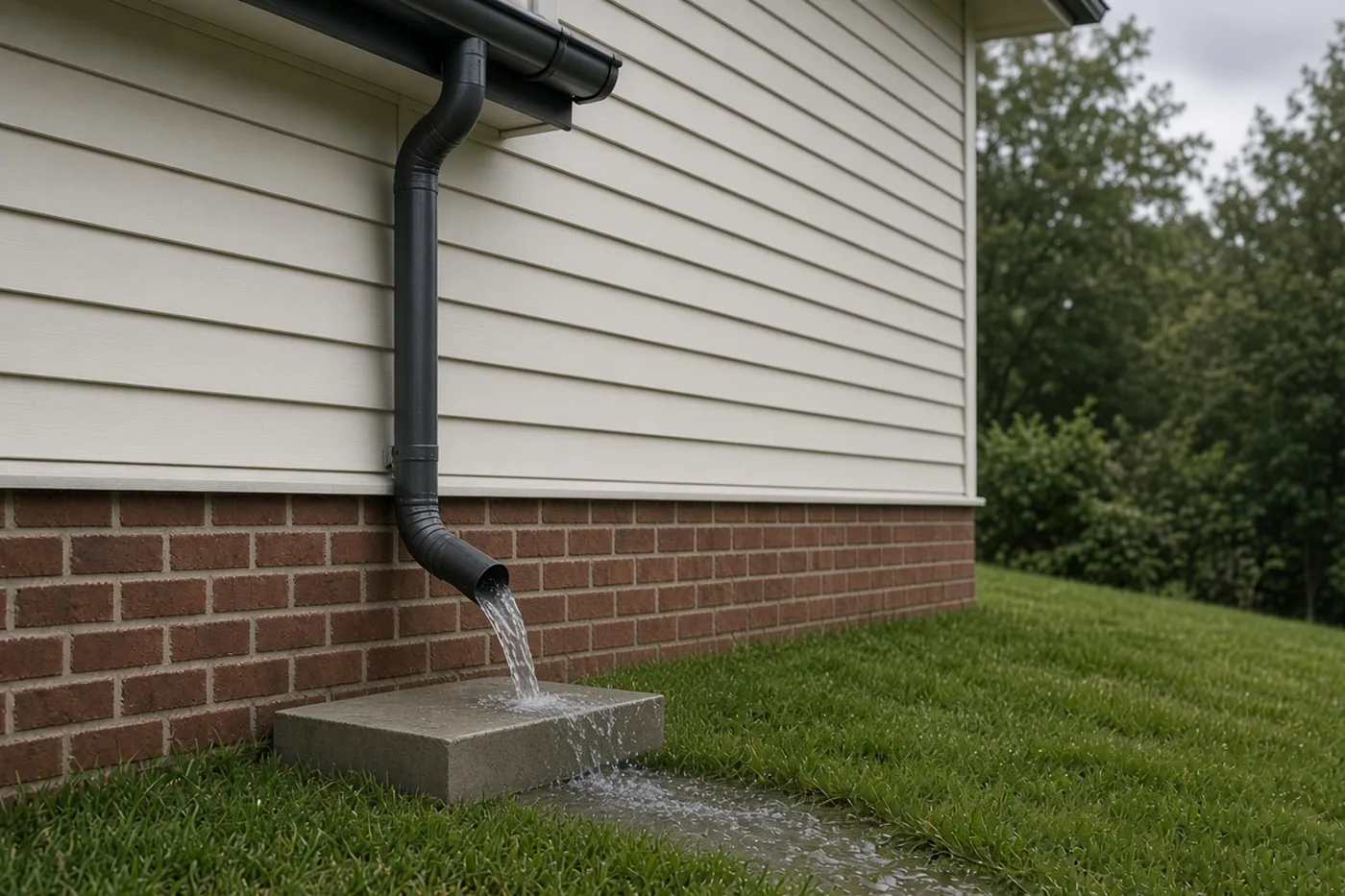
Drainage is easiest to judge during and just after a heavy rain, because that is when problems are visible. The North Carolina Residential Code requires lots to be graded so surface water drains away from foundation walls, with the grade falling at least 6 inches within the first 10 feet, or with swales or drains where the site does not allow that fall. Backfill placed against a new foundation can settle over the first year, which can flatten that slope in spots.
Walk the outside after a storm. Look for water standing against the foundation, downspouts emptying right next to the house, extensions that have been knocked loose or crushed, gutters spilling over at corners, and soil washing out of planting beds. Inside, check ceilings below bathrooms, the area around windows, and crawlspace or basement walls where you can look safely. Our roof drainage guide explains how gutters, downspouts, and discharge points are meant to work together.
Tell the builder if you change the ground yourself. New beds, edging, patios, and irrigation can all change how water moves, and warranty terms may treat drainage problems caused by owner changes differently from original work.
Check heating and cooling in both seasons
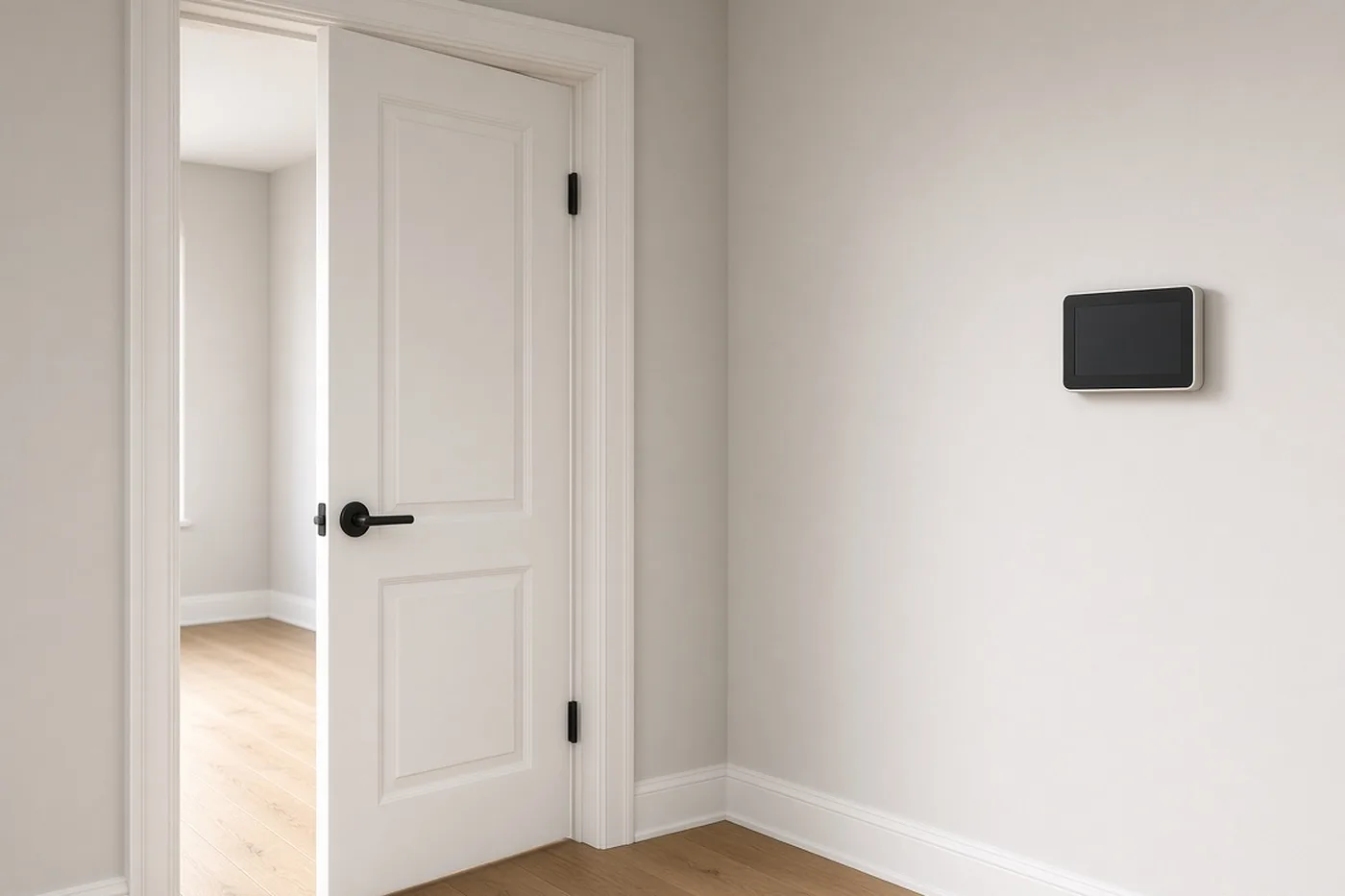
A home finished in spring has not been through a Charlotte summer yet, and one finished in fall has not seen August humidity. Note rooms that stay noticeably warmer or cooler than the rest of the house, registers with weak airflow, new or unusual noises, equipment that turns on and off in short bursts, and indoor air that feels damp in summer. Write down the outdoor conditions and thermostat settings when it happens, because a comfort complaint is easier to diagnose with that context.
Keep up with the homeowner side so a warranty question is not muddied by missed maintenance. ENERGY STAR recommends inspecting, cleaning, or changing air filters once a month and having the system checked before each heating and cooling season. It also warns that a plugged condensate drain can cause water damage, so keep an eye on the area around the indoor unit and its drain line. Use the filter size and schedule in your actual equipment manual.
Test safety devices and know your shutoffs
The U.S. Fire Administration recommends testing smoke alarms and carbon monoxide alarms at least once a month with the test button. The Electrical Safety Foundation International recommends testing GFCI outlets monthly by pressing TEST and then RESET. If a device does not respond, report it. Do not open the electrical panel or gas equipment to troubleshoot it yourself.
Make sure you can find the main water shutoff, the electrical panel, and any fuel shutoff that was shown during your orientation. An active leak is the clearest example of something to report right away instead of adding it to a list, and knowing where the shutoff is can limit the damage while you wait.
Read the warranty for coverage periods and claim rules
Written new-home warranties differ. The Federal Trade Commission describes a common structure: workmanship and materials on most components for the first year, often two years for heating and cooling, plumbing, and electrical systems, and, from some builders, coverage for major structural defects for up to 10 years. Household appliances and components with their own manufacturer warranty are typically handled separately. Your documents decide what actually applies, not a general description.
Write down the start date, each coverage period, the claim method, and whether urgent items have a separate procedure. The FTC advises filing claims the way the warranty instructs, putting repair requests in writing even when there is a phone line, and keeping a record of your correspondence. Register manufacturer warranties where the product documents call for it. If you are still before construction, settle the warranty terms in the contract, and take specific legal questions to your attorney.
Send one organized list before the first period ends
Plan a full review a month or two before the first coverage period ends, which leaves time to submit before the deadline. Walk the house room by room with your log, confirm which earlier items were corrected, and combine everything still open into one written list with locations and photos. Some homeowners also hire an independent inspector at this stage. That is a choice, not a requirement.
Send the list through the channel the warranty specifies and keep a copy. Then schedule the correction visit and check each item when it is finished, the same way you closed out the walkthrough list.
If you are planning a new home in the Charlotte area, ask early how the custom-home process handles warranty orientation and follow-up after move-in, or contact Max Built to talk through your project.
- Each item's location, a short description, the date you first noticed it, and a photo
- Whether the condition has changed since you first noted it
- Open items carried over from the final walkthrough
- Items already reported, with the dates and any responses
- Anything you changed yourself, such as grading, planting beds, or added fixtures
- The warranty deadline and the submission method it requires
Sources and editorial notes
Journal of Light Construction, Drywall Nail Pops
2018 North Carolina Residential Code, Chapter 4, Section R401.3 Drainage (UpCodes)
ENERGY STAR, Heating and Cooling Maintenance Checklist
U.S. Fire Administration, Smoke Alarm Safety
U.S. Fire Administration, Carbon Monoxide Safety
Electrical Safety Foundation International, How to Test a GFCI (PDF)
Prepared with AI assistance and editorially reviewed by Grok/AI. Architectural images are illustrative, not documented Max Built projects. This organizational guide does not replace project-specific professional advice.
First-year questions for new homeowners
Are drywall cracks in a new house normal?
Small hairline cracks and nail pops are common as framing lumber dries and adjusts to indoor humidity during the first year. Record them with a date and photo. Cracks that keep growing, have one side offset from the other, or show up alongside sticking doors or windows in the same area should be reported promptly. Whether cosmetic cracks are covered depends on your written warranty.
When should I do a first-year warranty review?
Shortly before the first coverage period ends, often around month 10 or 11, so the house has been through most of a year of seasons and you still have time to submit before the deadline. Check your documents for the exact end date and the required claim method.
Should I wait until the end of the year to report problems?
No. Report active leaks, electrical problems, failed safety devices, and anything that seems unsafe as soon as you notice them. Minor cosmetic items can usually go on the organized list, but follow whatever reporting rules your warranty sets.
Does a builder warranty cover appliances?
Usually not directly. The Federal Trade Commission notes that new-home warranties typically do not cover household appliances or components covered by a manufacturer's warranty. Register those products and follow each manufacturer's claim process.
Build the right plan before construction begins
Tell us about your property, priorities, and the way you want to live. We'll help organize the next decisions around a clear, buildable path.